
If you have acne scars, you may notice them long after breakouts have stopped. Looking in the mirror, you might see brown or gray marks, shallow depressions, or raised areas that seem unaffected by ordinary skincare. It is understandable to feel frustrated: but acne scarring is common, and there are dermatology treatments that can make the skin look smoother, clearer, and more even.
The first step is understanding what you are treating. “Acne scars” can describe several different concerns, and the best approach depends on your scar type, skin tone, current acne activity, medical history, and goals. A consultation with the Arizona Skin Institute team can help identify the right starting point.
Are They Dark Marks or True Acne Scars?
Not every mark left after acne is a permanent scar. There are two broad categories to consider: post-inflammatory discoloration and changes in skin texture.
Post-inflammatory hyperpigmentation
Post-inflammatory hyperpigmentation, or PIH, appears as a flat brown, gray, red, or purple mark where a blemish once existed. The skin’s surface usually feels smooth, even if the color is noticeable.
PIH develops when inflammation stimulates excess pigment production. It can occur in any skin tone, but it is often more persistent and visible in medium to deep skin tones. Sun exposure may also darken these marks or make them last longer.
Because PIH is a color change rather than a depression or raised growth, it is often approached with pigment-conscious skincare, sun protection, and carefully selected treatments such as superficial chemical peels. With time and appropriate care, many dark marks gradually fade. However, they may take weeks or months to improve.
Atrophic acne scars
Atrophic scars are depressed or indented areas caused by a loss or disruption of collagen during the healing process. Common types include:
- Rolling scars, which create broad, gently uneven areas
- Boxcar scars, which have more defined edges and may be shallow or deep
- Icepick scars, which are narrow, deeper indentations
These scars change the skin’s texture, so a brightening cream alone usually cannot correct them. Treatment often focuses on encouraging new collagen, resurfacing the skin, or releasing scar tissue beneath the surface.
Hypertrophic scars and keloids
Raised acne scars form when the body produces too much collagen during healing. Hypertrophic scars generally remain within the boundaries of the original blemish. Keloids may extend beyond those boundaries and can become firm, itchy, or tender.
Raised scars require a different treatment strategy from indented scars. Collagen-stimulating procedures that may be considered for depressions are not automatically appropriate for raised scars. A dermatologist should evaluate any firm, growing, painful, or persistently itchy raised area.

Why Do Acne Scars Form?
Acne scarring begins with inflammation. A deeper or longer-lasting blemish can damage the collagen and other structures that support the skin. As the area heals, the body may produce too little collagen, too much collagen, or collagen in an uneven pattern.
Several factors may increase the likelihood of scarring:
- Deep, painful, or cystic acne
- Delayed treatment of inflammatory acne
- Picking, squeezing, or scratching blemishes
- A personal or family tendency toward raised scars
- Repeated inflammation in the same area
- Skin that develops post-inflammatory pigmentation easily
This is one reason early acne care matters. Treating active acne is not just about managing current breakouts: it can also help reduce the risk of new marks and scars forming.
Active Acne Should Be Controlled First
If you are still experiencing frequent inflamed breakouts, your treatment plan will often begin with acne management. Treating significant active acne and performing intensive scar procedures at the same time may increase irritation and make it difficult to judge results.
Depending on your skin and medical history, acne treatment may include prescription topicals, retinoids, antibacterial medications, hormonal therapies, or other dermatologist-recommended options. A gentle cleanser, non-comedogenic moisturizer, and broad-spectrum sunscreen can also support the skin barrier.
Once breakouts are more controlled, your dermatologist can evaluate which concerns remain. Some people primarily have PIH. Others have a combination of dark marks and textural scars. Treating each issue in the right order can make your overall plan more comfortable and effective.
Professional Treatments That May Help
There is no single procedure that works for every acne scar. In many cases, a series of treatments or a combination approach is recommended. Your Arizona Skin Institute provider can explain the potential benefits, downtime, risks, and expected pace of improvement for each option.
SkinPen Microneedling
SkinPen microneedling creates controlled microchannels in the skin to encourage collagen and elastin production. As the skin remodels, depressed acne scars may become less noticeable and overall texture may look more even.
Arizona Skin Institute’s SkinPen treatment page notes that SkinPen is designed to address adult facial acne scars and can also improve the appearance of fine lines, discoloration, and stretch marks. Redness is common after treatment, and the clinic reports that many patients experience redness for approximately two to four days, although healing varies.
Microneedling is often considered a versatile option for a range of skin tones. Still, treatment settings and aftercare should be personalized. Results develop gradually over multiple weeks and may continue to improve as collagen remodeling progresses. Improvement is typically gradual rather than immediate or guaranteed.
Radiofrequency Microneedling
Radiofrequency microneedling combines the controlled needling process with radiofrequency energy delivered into the skin. The energy creates heat at selected depths, which may further support collagen remodeling and improve the appearance of certain depressed scars.
This treatment may be considered when a patient wants to address both texture and laxity, or when standard microneedling alone may not be enough. As with any energy-based procedure, treatment parameters should be chosen carefully, especially for people who are prone to discoloration or raised scarring.
Laser treatments
Laser therapy can resurface or remodel scarred skin. Depending on the laser and settings, it may target uneven texture, redness, or discoloration. Fractional and non-ablative laser approaches can offer different balances of improvement and downtime.
Laser treatment is not automatically the best choice for every skin tone. People who develop PIH easily may need a more conservative treatment plan, careful sun protection, and preparation before certain procedures. A consultation is important so your provider can discuss the possibility of prolonged redness, pigment changes, irritation, and other risks.
Chemical peels
Professional chemical peels can be useful for post-acne discoloration and some mild, shallow textural irregularities. Superficial peels may use ingredients such as salicylic, glycolic, or lactic acid to exfoliate the outer layers of skin and improve the appearance of uneven tone.
Peels are not usually enough to correct deep icepick or pronounced boxcar scars on their own. Stronger is not always better, especially for patients at higher risk of PIH. Your provider may recommend a series of appropriately selected peels rather than one aggressive treatment.
Medical skincare
A personalized medical skincare routine can support both acne control and scar improvement. Depending on your needs, a dermatologist may recommend ingredients such as retinoids, salicylic acid, azelaic acid, or other pigment-supporting therapies.
Daily sun protection is particularly important. Ultraviolet exposure can darken post-acne marks and make uneven pigmentation more persistent. Choose a broad-spectrum sunscreen and use it consistently, especially in the strong Arizona sun. Avoid picking blemishes, over-exfoliating, or layering too many irritating products at once.
Your Skin Tone and History Matter
Acne scar treatment should never be approached as a one-size-fits-all process. Your provider may consider:
- Whether your main concern is discoloration, indentation, or raised scarring
- Your skin tone and history of PIH
- Whether you currently have active acne
- Previous procedures and how your skin healed
- Medications and products you use now or have used recently
- Your schedule, budget, and tolerance for downtime
- The amount and type of improvement you hope to see
It is helpful to bring a list of current skincare products and medications to your consultation. Be open about previous acne treatments and procedures, including treatments received elsewhere. This information helps your provider plan safely.
A Personalized Plan Can Help You Move Forward
Acne scars can affect confidence, photographs, social interactions, and the way you feel about your appearance. Wanting treatment is a valid choice: but you do not have to navigate the options alone.
The Arizona Skin Institute team provides cosmetic and medical dermatology care for patients in Phoenix, Scottsdale, Surprise, Buckeye, and throughout the Greater Phoenix area. Dr. Jay G. Mehta and the team can evaluate your skin, explain which concerns are most treatable, and create a plan that respects your skin type and goals.
To begin, schedule an appointment with Arizona Skin Institute and discuss your options.

Medical disclaimer: This article is for general educational purposes only and does not provide medical advice, diagnosis, or treatment. Acne scars and post-inflammatory marks can look similar but may require different care. Treatment benefits, risks, downtime, and results vary from person to person. Consult a qualified dermatologist before beginning any prescription skincare, procedure, or acne scar treatment.
Debunking 9 Myths on Skin Cancer
According to the American Academy of Dermatology Association, skin cancer is the most common cancer in the United States. Its current estimates suggest that 20% of the American population is likely...
Skin Conditions, Treatments & Benefits of Medical Dermatology
Medical Dermatology is a specialized branch of medicine that focuses on the diagnosis and treatment of skin diseases and conditions. It is an important area of healthcare, as skin issues can range...
Nine Benefits of Mohs Surgery: A Complete Rundown
Skin cancer is a frightening reality for many. It has the potential to leave scars, deform features, spread to other organs, and even threaten one's life if left untreated. This serious medical...
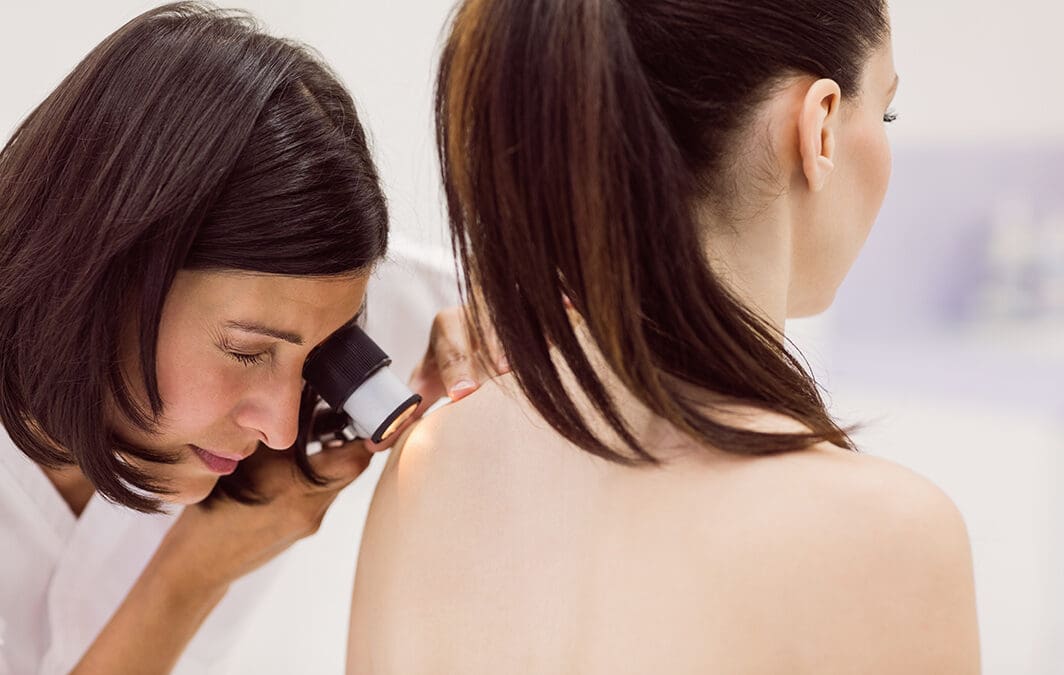
How to Tell Basal Cell vs. Squamous Cell Carcinoma Apart
Basal cell carcinoma and squamous cell carcinoma are the most common skin cancers in the United States. These malignant (cancerous) diseases begin in the cells that cover or line human organs. Both...
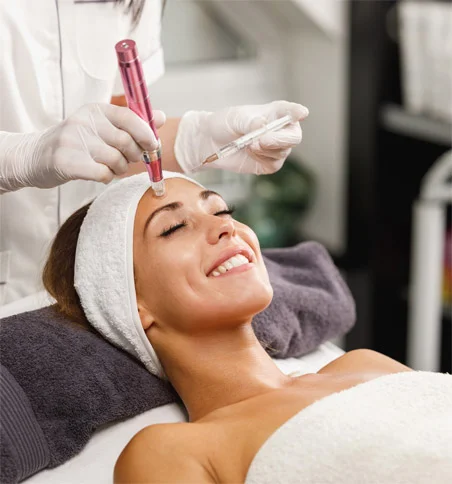
What is Microneedling?
Microneedling is a minimally invasive procedure that promotes the production of collagen and proteins within the skin to renew its structure, elasticity, and youth. This treatment uses the body’s...

Facts About Levulan Photodynamic Therapy for Skin Cancer
Levulan photodynamic therapy is a non-invasive treatment for skin cancer, actinic keratosis, acne, and various other skin conditions. Read on to understand its benefits and limitations. What is...
“I Have a New Mole”: Causes and When to See a Dermatologist
Moles are incredibly common, with most adults having between 10 and 40, according to the National Cancer Institute (NCI). The technical term for a mole is nevus (plural: nevi), which is the Latin...
Schedule An Appointment
Surprise
Buckeye
