
There’s a lot to love about dermal fillers — they’re excellent for restoring lost volume and delivering immediate, visible results. But not every patient wants a synthetic solution, and not every skin concern is a volume problem.
What Is Plasma Therapy? The Science, Simply Explained
Both begin with a simple blood draw — no different from a routine lab visit. That blood is then spun in a centrifuge, which separates your platelets (the cells responsible for healing and tissue repair) from the rest of your blood.
Think of PRP as a concentrated boost that kicks your collagen into gear, while PRF provides a sustained, gradual release that extends the regenerative process well beyond your appointment.

How It Tightens — Without Filling
This is where plasma therapy differs fundamentally from fillers.
Fillers work by physically occupying space beneath the skin, propping it up from underneath. The results are immediate and effective — but the mechanism is structural, not regenerative.
Plasma therapy is different. When PRP or PRF is injected or micro-needled into the skin, it triggers your body’s natural healing response. The growth factors initiate a biological rebuilding process that includes:
- Collagen production — New collagen fibers form, providing firmer, more supportive structure beneath the skin’s surface.
- Improved elasticity — Elastin production increases, restoring the skin’s ability to bounce back with movement.
- Enhanced microcirculation — New micro-vessels form, improving oxygen and nutrient delivery to the skin’s surface.
The result is skin that looks and feels tighter not because it’s been augmented, but because it has genuinely become thicker, healthier, and more resilient.
Why Patients Choose Plasma Therapy
The Microneedling + Plasma Combination
Microneedling creates thousands of precise micro-channels in the skin, which are then immediately treated with plasma. This allows the growth factors to penetrate deeply and work where they’re most effective. The combined approach addresses sun damage, acne scarring, uneven texture, and laxity in a single treatment — making it one of our most popular options for full-face rejuvenation.
Setting Realistic Expectations: The Timeline
Plasma therapy rewards patience. Here’s what a typical progression looks like:
- Week 1: A healthy, post-treatment glow as the initial healing response begins.
- Month 1: Collagen production is well underway; skin begins to feel noticeably firmer.
- Months 3–6: Maximum results. As new collagen fully matures, tightening and texture improvements reach their peak.
Because the results are driven by your own biology, they develop gradually and look entirely natural. Rather than drawing attention to a procedure, the outcome tends to prompt comments about great skin — which is exactly the point.

Why Arizona Skin Institute?
Blood-based therapies require precision, clinical expertise, and a thorough understanding of skin physiology. Dr. Jay G. Mehta and our highly trained medical team approach every patient as an individual — assessing your unique skin concerns, anatomy, and goals to develop a treatment plan that delivers balanced, natural-looking results safely.
We’re proud to serve patients throughout the Greater Phoenix area, offering the kind of thoughtful, compassionate dermatological care that puts your long-term skin health first.
Medical Disclaimer: The information provided in this article is intended for general educational purposes only and does not constitute medical advice, diagnosis, or treatment. Individual results from plasma therapy — including PRP and PRF treatments — vary and are not guaranteed. These treatments are not a cure for any medical or cosmetic condition. Plasma therapy may not be appropriate for all patients; suitability depends on individual health history, skin condition, and other clinical factors. Please consult with a qualified, licensed healthcare provider before beginning any aesthetic or medical treatment to determine whether it is appropriate for your specific needs. If you have any underlying health conditions, are taking medications, or have concerns about your skin, seek the guidance of a medical professional prior to treatment.

10 Surprising Things That Trigger Rosacea
If you’ve ever looked in the mirror and seen a face that looks like it just ran a marathon: even though you’ve been sitting on the couch: you’re likely familiar with the frustration of rosacea. It...
Can AI Apps Really Detect Skin Cancer?
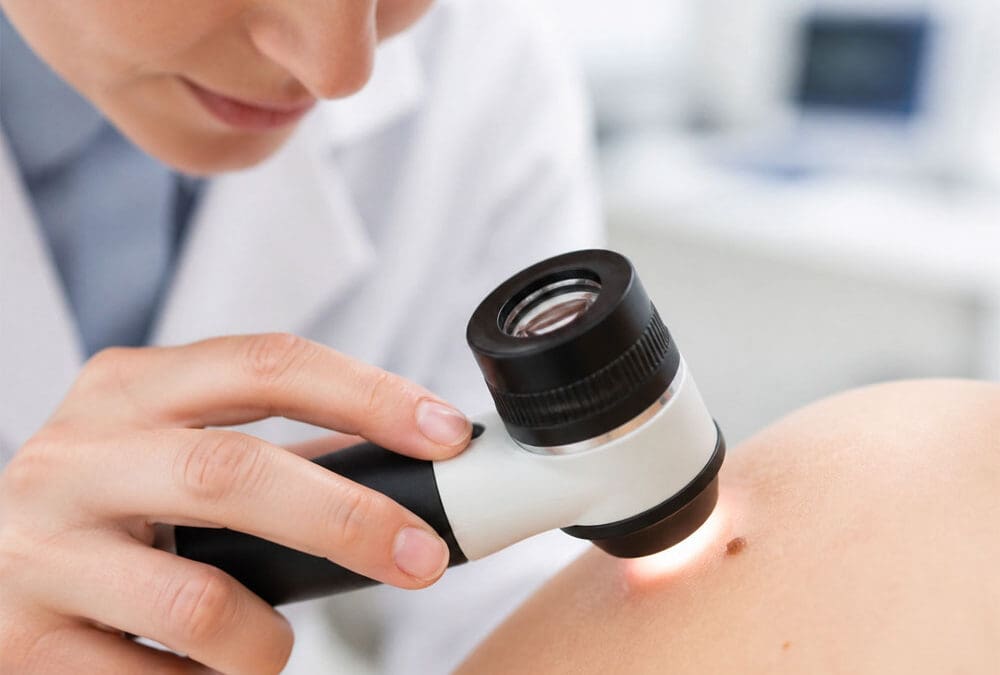
We live in an age where there is quite literally an app for everything. Whether you’re trying to track your sleep, count your steps, or identify a mysterious plant in your backyard, your smartphone...

Ozempic Face and How To Restore Your Natural Volume
Weight loss is a journey of transformation, often marked by increased energy, improved health markers, and a newfound sense of confidence. In recent years, the rise of GLP-1 receptor agonists:...

RF Microneedling vs. Traditional Microneedling
If you've been researching ways to refresh your skin, you've probably stumbled across microneedling. But then you realize there are two types, traditional and RF (radiofrequency), and suddenly...

Why Everyone Is Talking About RF Microneedling
Walk into any coffee shop in Arizona or flip through your Instagram feed, and you'll probably hear someone gushing about RF microneedling. It's not just another fleeting skincare trend, this...

Botox Vs Dysport – Which Is Better?
If you've ever looked in the mirror and thought, "I just want to look like me, but, like, the well-rested version," you're not alone. And if you've been researching neuromodulators (fancy word for...

Microneedling Explained: Your 2026 Resource
Microneedling has become one of the most popular skin treatments for good reason: it's effective, versatile, and works for almost everyone. As we move into 2026, this treatment continues to evolve...
Schedule An Appointment
Surprise
Buckeye
