
The holiday calendar has a way of filling up quickly. If you’re hoping to refresh your skin before Thanksgiving, a December gathering, or New Year’s celebrations, October and November are smart months to start planning. The best results often come from choosing a treatment that suits your goals, and allowing enough time for your skin to recover and results to develop.
In Greater Phoenix, fall also brings a welcome change from peak summer UV. One monthly estimate puts average peak UV at 9.6 in August, 7.0 in October, and 5.5 in November. That makes fall a more comfortable season to plan some treatments, but Arizona’s sun is still strong. Healing skin needs thoughtful sun protection year-round.
Here’s a practical guide to when to book popular treatments and how to plan around your holiday events.
Start With a Consultation in October
If you’re considering a cosmetic treatment, try to schedule a consultation as early as possible, ideally in October. That gives you time to talk through your goals, skin history, upcoming travel, and any medications or active skin conditions that may affect your plan.
A consultation is also a chance to ask about the expected recovery period for the specific treatment being considered. “Laser” and “chemical peel” can describe treatments with very different intensities and healing timelines, so a personalized recommendation matters more than a one-size-fits-all calendar.
At Arizona Skin Institute, Dr. Jay G. Mehta and the team take a comprehensive approach to skin health and are committed to caring for all skin types. The right plan is not simply about fitting in a treatment before a party. It’s about choosing an option that is appropriate for your skin and goals. Learn more about our team and approach or schedule an appointment.
October is the Time to Plan Lasers and Resurfacing
Laser treatments and resurfacing can help address concerns such as uneven texture, sun damage, scars, or fine lines. But recovery varies with the type of laser, treatment depth, and individual skin response. The American Society for Dermatologic Surgery notes that healing after laser resurfacing may take about three to 10 days, depending on the laser and depth; more intensive treatments may require a longer recovery.
If you’re hoping to look refreshed for Thanksgiving, an October consultation gives you time to discuss whether a laser treatment is suitable and whether the schedule is realistic. If you have a December event, October can also be a useful planning window, especially if you’re considering a treatment with more downtime or a series of sessions.
Sun avoidance and aftercare are important parts of the plan. Your provider can advise you on how to prepare, what to expect as your skin heals, and when to resume your usual products and activities. For more details about the treatment category, see the ASDS guide to laser resurfacing.
Book Chemical Peels with Recovery Time in Mind
Peels range from light treatments with relatively brief downtime to deeper peels that need substantially more healing time. According to the American Academy of Dermatology, a light peel may involve one to seven days of healing, while a medium peel may take seven to 14 days. A deep peel can take 14 to 21 days, with additional aftercare and sun-avoidance instructions.
For a holiday event, don’t plan around the shortest possible recovery estimate. Redness, flaking, sensitivity, or other effects may last longer for some people. If a peel is on your wish list, raise it at an October consultation and ask which type, if any, fits your timeline. Some patients may also need a preparation routine in the weeks before treatment.
A dermatologist can help select a peel with your skin tone and history in mind. People with skin of color can have peels, but experience with treating diverse skin tones is important because pigment changes are a consideration. Your clinician should explain the benefits, risks, and aftercare for the option recommended for you.
Microneedling: Allow a Few Days for Visible Redness
Microneedling may be considered for concerns such as acne scars, texture, or fine lines. Arizona Skin Institute’s SkinPen information notes that redness commonly lasts two to four days, though healing differs from person to person. Visible changes can continue to develop over the following weeks and months.
For Thanksgiving, consider discussing microneedling in October or early November so you have room for recovery before photos and gatherings. If you’re planning a course of treatments rather than one session, start the conversation early: your provider can help determine how many sessions may be appropriate and how to space them. Avoid scheduling a first treatment right before an important event, when there’s little room to see how your skin responds.
Botox and Dysport: Plan Ahead, Not the Day Before
Botox and Dysport are commonly used to soften the appearance of expression lines. They don’t work instantly: results develop over time, and individual timing can vary. For a Thanksgiving celebration, ask about booking in early to mid-November, leaving roughly two weeks for the effect to settle. For December events, a mid-December appointment may be a better fit.
Allowing a little breathing room is especially helpful if this is your first time or you have questions about your results. Your injector can explain what to expect, when to check in, and whether a follow-up is appropriate. Avoid trying a new injectable treatment immediately before an important event.
Dermal Fillers: Leave Time for Swelling to Settle
Fillers can provide immediate volume, but swelling, tenderness, or bruising may follow an appointment. For that reason, it’s sensible to plan at least a couple of weeks before a major holiday event; some people may prefer a longer buffer. If it’s your first filler treatment, consider booking earlier rather than aiming for a last-minute refresh.
A consultation helps ensure the product and treatment approach match your goals. Your clinician can also discuss expected recovery, aftercare, and when to get in touch with questions.

A simple holiday countdown
Use these dates as a starting point, not a substitute for advice tailored to you:
- October: Schedule a consultation, discuss laser or resurfacing options, and start planning peels or microneedling. If a treatment series is recommended, ask how to space visits.
- Early November: Consider a suitable lower-downtime treatment for Thanksgiving only if your provider confirms there’s enough recovery time.
- Two or more weeks before an event: Aim to have Botox or Dysport and fillers completed early enough to allow results to settle and any temporary injection effects to fade.
- Late November and December: Focus on maintaining your skin routine and sun protection. Be cautious about trying an unfamiliar or higher-downtime treatment close to a gathering.
For a December or New Year’s event, shift your plan later, but keep the same recovery buffer. Your provider can help you choose dates based on the specific procedure and your skin’s needs.
Don’t put medical skin care on the holiday calendar
A cosmetic appointment is not a replacement for a skin cancer screening or care for a medical concern. If you’ve noticed a spot that is changing, a sore that isn’t healing, or a rash or skin condition that needs attention, schedule a medical dermatology visit rather than waiting until after the holidays. Arizona Skin Institute offers comprehensive care for skin health, including skin cancer screenings and treatment, as well as care for concerns such as acne, eczema, psoriasis, and rosacea. You can read more about our medical and cosmetic dermatology approach.

Make fall’s lighter UV work in your favor
Fall’s lower UV compared with the height of summer can make it a practical time to discuss treatments that call for extra sun awareness. It does not mean sun protection can take a holiday. October UV in Phoenix remains high by the monthly estimate, and treated skin may be more sensitive.
Follow your provider’s aftercare instructions, use broad-spectrum sunscreen as directed, and consider shade, protective clothing, and a hat when outdoors. The AAD’s sun protection guidance offers additional everyday tips.
A thoughtful glow-up doesn’t need to involve a packed schedule or a dramatic change. Start with a conversation, choose treatments that fit your skin and your calendar, and give yourself the time to heal comfortably. The Arizona Skin Institute team is here to help patients across Surprise, Scottsdale, Buckeye, and the Greater Phoenix area make a plan that feels right for them.

Botox vs. Daxxify: Which Is Better for Your Wrinkles?
If you’re thinking about smoothing expression lines before holiday gatherings, you may be weighing Botox against Daxxify. Both are injectable neuromodulators that temporarily relax targeted muscles,...
Skin Cysts 101: What That Lump Under Your Skin Really Means
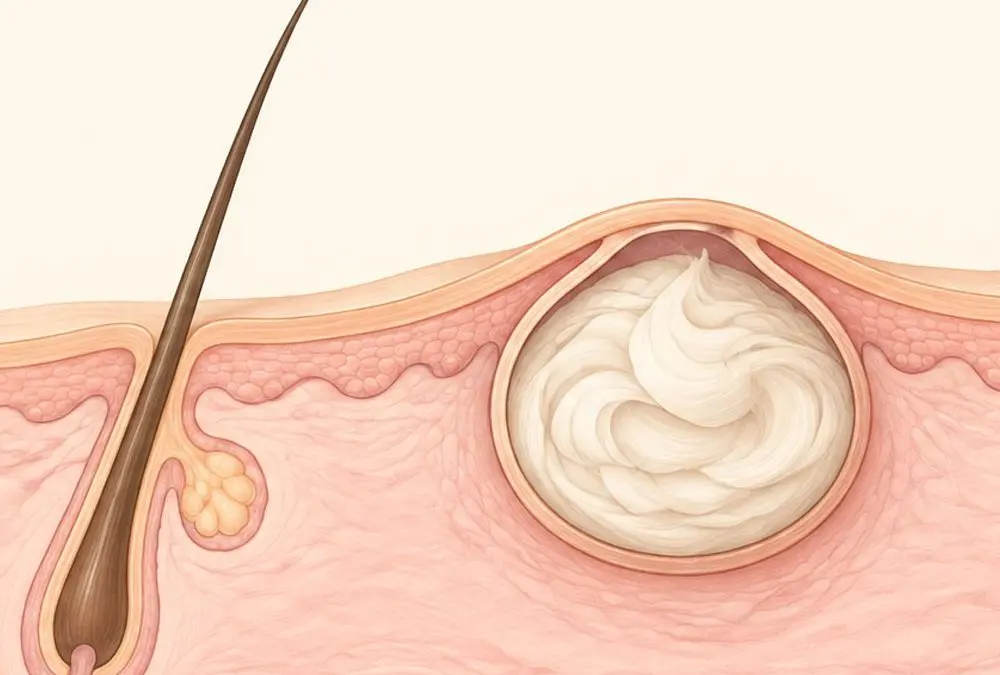
Finding a new lump under your skin can be unsettling, especially when you’re not sure what it is. One common possibility is a skin cyst: a small, sac-like bump that often grows slowly and is usually...

Fall Skin Reset & 5 Steps to Repair Summer Sun Damage
Late September brings a welcome shift to the Greater Phoenix area. The days are beginning to cool, outdoor plans feel more comfortable, and the UV index is gradually moving down from its summer...

Dry Skin vs. Dehydrated Skin: Which One Do You Have?
If your skin feels tight, rough, flaky, or dull, you may assume you have dry skin. But there is another possibility: your skin may be dehydrated. Although the terms are often used interchangeably,...
Retinol in Fall: Why Now Is the Best Time to Start
If you have been thinking about starting retinol, or restarting a retinoid routine after a long Arizona summer, fall can be an excellent time to begin. The UV index and sun intensity generally start...

Eczema or Psoriasis? How to Tell the Difference
A new itchy or scaly patch can be frustrating: and it is not always easy to tell what is causing it. Two common possibilities are eczema and psoriasis, chronic inflammatory skin conditions that can...

Exosomes: The Cellular Treatment Everyone’s Talking About
If you have been exploring the latest in skin rejuvenation, you have probably seen the word exosomes everywhere. These microscopic particles are being discussed as a new way to support...
Schedule An Appointment
Surprise
Buckeye
