 If you have rosacea, you know that your skin can feel like it’s walking a tightrope: one wrong step, and you’re dealing with stinging, intense redness, or even painful flare-ups that can last for days. Rosacea is a chronic inflammatory skin condition that affects millions of people and often causes the skin to become overly sensitive to environmental factors and topical products. What works for others may not work for you—and worse, it may actively make your symptoms worse. The wrong ingredients can disrupt your skin’s already-compromised barrier, triggering irritation, increased flushing, bumps, or a burning sensation.
Because rosacea-prone skin reacts so easily, building a gentle, non-irritating skincare routine is essential to managing symptoms. That means knowing what to avoid is just as important as knowing what to use. In this guide, we’ll break down the most common skincare ingredients that tend to aggravate rosacea — and suggest safer, more skin-friendly alternatives to keep your complexion calm and comfortable.
Ingredients to Avoid:
- Alcohol – Alcohol-based products are some of the worst offenders when it comes to rosacea. Alcohol (often listed as ethanol, denatured alcohol, isopropyl alcohol, or methanol) strips the skin of its natural oils, leaving it dry, irritated, and prone to inflammation. While alcohol might make a product feel light or fast-absorbing, it damages the skin barrier — a crucial line of defense that people with rosacea desperately need to protect.
Better Alternative: Look for hydrating formulas with gentle, non-drying ingredients like hyaluronic acid or glycerin. - Fragrance – Both synthetic and natural fragrances can be major triggers for rosacea flare-ups. Even if a product is labeled “natural,” it doesn’t guarantee it’s safe for you. Essential oils, often used as “natural” fragrances, can be just as irritating.
Better Alternative: Choose fragrance-free or products specifically labeled “for sensitive skin.” - Menthol, Peppermint, & Eucalyptus – Cooling ingredients like menthol, peppermint, and eucalyptus might feel refreshing, but they stimulate blood flow and can worsen redness and irritation in rosacea-prone skin.
Better Alternative: Use calming agents like aloe vera or cucumber extract instead. - Sodium Lauryl Sulfate (SLS) – Found in many cleansers, shampoos, and even toothpaste, SLS is extremely harsh and strips the skin’s protective barrier, leading to increased sensitivity.
Better Alternative: Opt for sulfate-free, creamy, non-foaming cleansers. - Retinoids (Retinol, Retin-A, Tretinoin) – These potent anti-aging ingredients often cause peeling, redness, and irritation — a recipe for disaster for rosacea sufferers.
Better Alternative: Try bakuchiol, a plant-based alternative that’s much gentler on sensitive skin. - Alpha Hydroxy Acids (AHAs) and Beta Hydroxy Acids (BHAs) – While exfoliation is important, harsh chemical exfoliants like glycolic acid and salicylic acid can worsen rosacea symptoms significantly.
Better Alternative: Use very gentle, physical methods like a soft washcloth and a mild cleanser, and limit exfoliation to once a week. - Witch Hazel – Although often promoted as a natural toner, witch hazel’s astringent properties and high alcohol content can dry out and irritate rosacea-prone skin.
Better Alternative: Choose calming floral waters like alcohol-free rose water or chamomile water. - Essential Oils – Highly concentrated oils like tea tree, lavender, and citrus can easily irritate delicate skin.
Better Alternative: Stick to products with minimal ingredients and consider botanical extracts like green tea or feverfew, which are gentler. - Benzoyl Peroxide – Commonly used for acne, benzoyl peroxide is extremely drying and irritating, even in low concentrations.
Better Alternative: Azelaic acid (in low concentrations) can help manage both rosacea and acne without the severe dryness.
General Tips for Choosing Rosacea-Friendly Skincare:
- Patch Test Everything: Rosacea-prone skin can react unpredictably, even to products labeled as “gentle” or “for sensitive skin.” Before applying anything new to your face, patch test it on a small area like your jawline or behind your ear. Wait at least 24 to 48 hours to monitor for any signs of redness, stinging, or irritation. This simple step can prevent a full-face flare-up.
- Stick to Simple Formulas: The more ingredients a product has, the higher the risk that something will cause a reaction. Opt for skincare with short, straightforward ingredient lists. Avoid trendy formulations packed with fragrances, extracts, or unnecessary additives. Less is more when your skin is easily triggered.
- Prioritize Barrier Repair: A healthy skin barrier helps protect against environmental stressors and reduces inflammation. Ingredients like ceramides, niacinamide, and squalane strengthen and soothe the skin, helping to restore balance and resilience over time.
- Consult Your Dermatologist: Personalized skincare guidance is invaluable, especially if you’re managing persistent symptoms or considering treatments like retinoids or acids. A dermatologist can help you navigate product choices safely and effectively.
Managing rosacea is a delicate balance that requires patience, consistency, and knowledge. One of the most powerful steps you can take is learning which ingredients to avoid — because even the most expensive skincare products can cause irritation if they’re not rosacea-friendly. By steering clear of common triggers and choosing gentle, soothing products tailored for sensitive skin, you can significantly reduce flare-ups and discomfort. Focus on calming, hydrating ingredients and avoid anything overly harsh or fragranced. With rosacea, less truly is more. Treat your skin with kindness, and over time, it will reward you with a more balanced, healthy complexion.
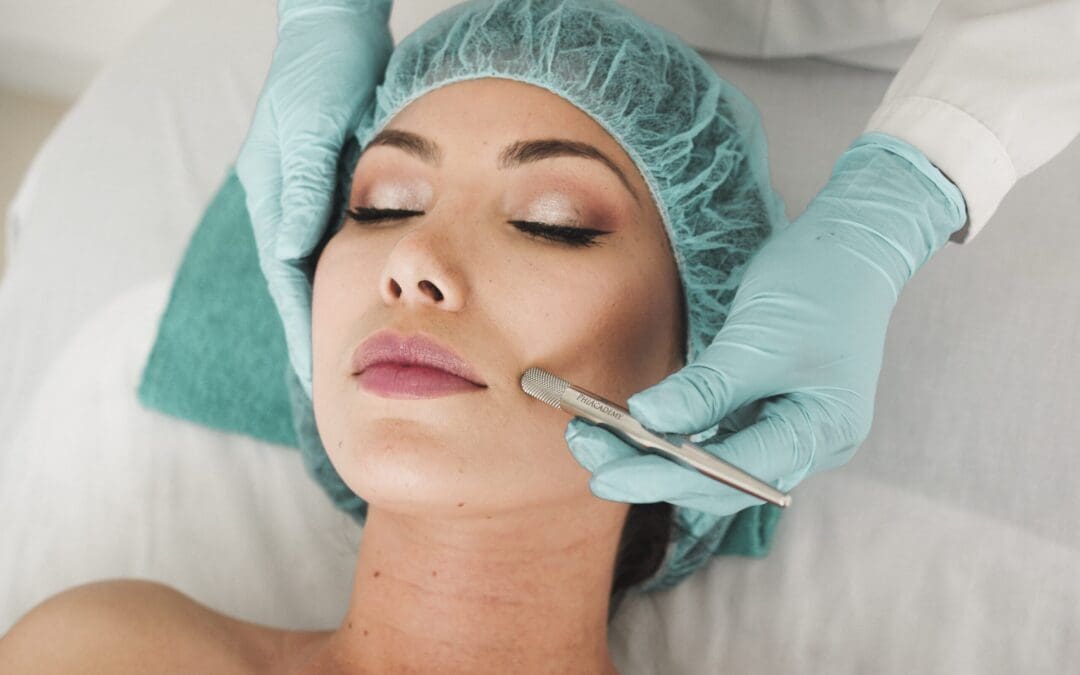
Superficial Radiation Therapy vs. Surgery for Skin Cancer
Skin cancer is the most common malignancy in the United States. According to the American Academy of Dermatology Association (AAD), 1 in 5 people will develop a form of skin cancer in their...
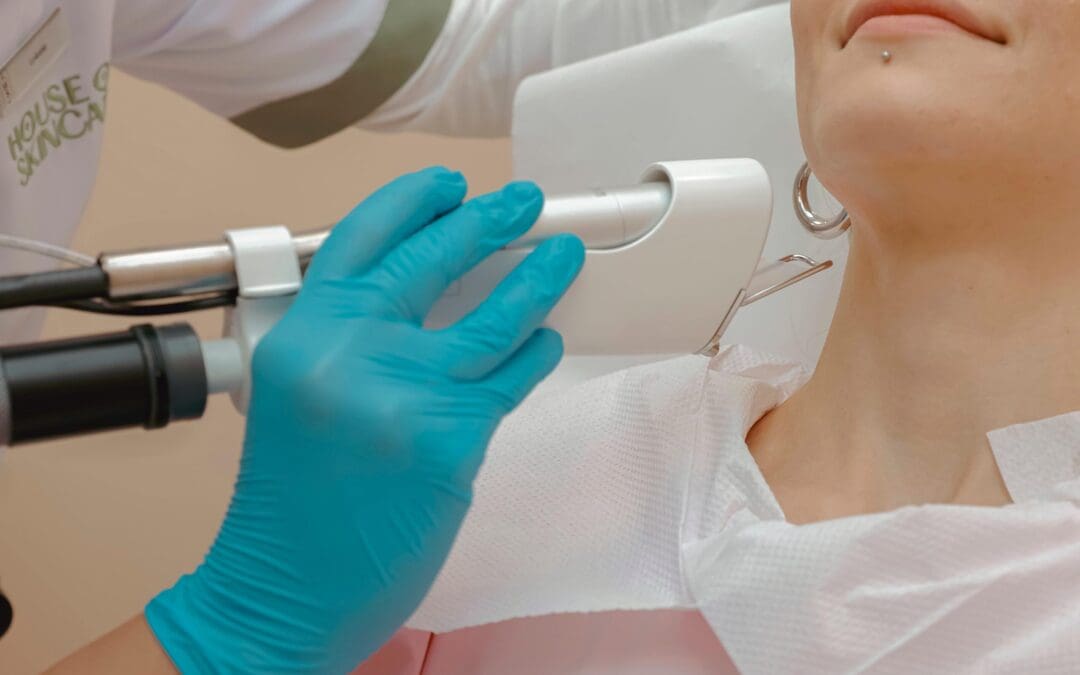
7 Types of Skin Cancer Treatments in Arizona Skin-Scottsdale, AZ
Arizona Skin Dermatology is a leading provider of treatments for patients with basal cell carcinoma, squamous cell carcinoma, precancerous actinic keratosis, and other skin problems. If your...

How to Spot Skin Cancer
Skin cancer is the most common type of cancer in the United States. Anyone can get it regardless of skin color. Estimates of skin cancer prevalence conducted by Stern, R.S. in 2007 show that one out...

Skin Cancer Risk Reducing Tips
Exposure to the sun is known for its vitamin D benefits. Research suggests that brief exposure of the face, hands, and arms of about 15 minutes a day three times a week is sufficient. However,...
Are Facial Cleansing Tools Necessary and Safe?
When it comes to skincare, there's a lot to cover, from face serums to scrubs, and that's just the goods! If you're still learning about the many techniques to get a flawless complexion, you may...
Different Types of Skin Cancer
The skin is made up of many different types of cells, many of which are constantly moving. As round basal cells beneath the surface rise to replace dead, flaking squamous cells on the surface, they...
Shingles: Symptoms, Causes, and Treatment
Shingle is a type of itchy rash caused by the reactivation of the varicella-zoster virus, which is also responsible for chickenpox. Dr. Jay Mehta and his team of dermatologists regularly treat...
Schedule An Appointment
Surprise
Buckeye
