If you have spent any time on TikTok or YouTube lately, you have likely encountered the term “looksmaxxing.” What started as a niche corner of the internet has exploded into a viral movement, particularly among young men. The goal? To “maximize” one’s physical attractiveness through a series of systematic self-improvement techniques.
At the Arizona Skin Institute, led by Dr. Jay G. Mehta, we believe in the power of confidence and the importance of feeling good in your own skin. However, as medical professionals serving the Greater Phoenix area: from Surprise to Scottsdale and Buckeye: we are seeing an alarming trend. The line between healthy self-care and dangerous self-harm is becoming increasingly blurred.
In this guide, we will break down the “looksmaxxing” trend, identify the life-altering risks of “hardmaxxing” practices like bonesmashing, and explain how to achieve your aesthetic goals safely under the care of a board-certified dermatologist.
What is Looksmaxxing? Soft vs. Hard
To understand the risks, we first have to define the categories of this trend. Looksmaxxing is generally divided into two paths: Softmaxxing and Hardmaxxing.
Softmaxxing: The Healthy Side of Self-Care
Softmaxxing involves non-invasive lifestyle changes. Most of these are practices we advocate for every day at our clinics in Surprise and across the Valley. This includes:
- Skincare: Developing a consistent routine to treat acne or improve texture.
- Hygiene & Grooming: High-quality haircuts, dental care, and better posture.
- Fitness & Nutrition: Eating well and exercising to improve body composition.
- Sleep: Prioritizing rest to reduce inflammation and dark circles.
When done in moderation, softmaxxing is simply another word for learning how to make your face clear and glowing naturally. It is about health and self-respect.
Hardmaxxing: The Dangerous Descent
Hardmaxxing is where the trend takes a dark turn. This category involves invasive, extreme, and often permanent measures to alter one’s appearance. While this can include legitimate cosmetic surgeries performed by professionals, the “looksmaxxing” community often pushes DIY (Do-It-Yourself) methods that are medically catastrophic.
The Darkest Trend: What is Bonesmashing?
Perhaps the most terrifying trend to emerge from “hardmaxxing” forums is bonesmashing.
The theory: pseudo-scientifically based on a misunderstanding of Wolff’s Law: suggests that if you apply enough mechanical stress (trauma) to a bone, it will grow back thicker and more prominent. Proponents of this trend encourage young men to hit their facial bones: specifically the jawline and cheekbones: with hard objects like hammers or massage guns to create “microfractures.”
Why Bonesmashing is Medically Dangerous
As dermatologists and skin health experts, we cannot state this clearly enough: DO NOT DO THIS.
Bonesmashing does not “sculpt” your face; it causes trauma. The risks include:
- Facial Fractures: You are not creating “microfractures”; you are risking complete breaks that require reconstructive surgery.
- Nerve Damage: Your face is home to a complex network of nerves. Impact trauma can lead to permanent numbness, facial drooping, or chronic pain.
- Asymmetry: Bone doesn’t heal in a perfectly predictable aesthetic way. You are more likely to end up with a lumpy, uneven, or deformed facial structure.
- Vascular Injury: Blunt force can cause internal bleeding and permanent damage to the blood vessels that keep your skin healthy.

Unregulated Supplements and “Pillmaxxing”
Another “dark side” of the trend involves the use of unregulated supplements or “pills” purchased from the dark corners of the internet. Many young men are turning to anabolic steroids, experimental hormones, or “jawline-slimming” diuretics without a doctor’s supervision.
These substances can lead to severe side effects, including:
- Cystic Acne: Hormonal imbalances often lead to severe, scarring acne that requires medical intervention.
- Organ Damage: Steroid misuse is linked to liver and heart failure.
- Hair Loss: Ironically, many “maxxing” supplements can accelerate male-pattern baldness.
If you are struggling with skin issues caused by these trends, our team at Arizona Skin Institute provides comprehensive medical dermatology to help restore your skin’s health.
The Psychological Toll: Body Dysmorphic Disorder (BDD)
Beyond the physical scars, looksmaxxing carries a heavy psychological weight. The trend often involves “rating” systems where individuals obsess over every millimeter of their face. This hyper-fixation can lead to Body Dysmorphic Disorder (BDD).
BDD is a mental health condition where you can’t stop thinking about one or more perceived defects or flaws in your appearance: flaws that appear minor or can’t be seen by others. When self-improvement becomes an obsession that prevents you from enjoying life in the Phoenix sun or causes you to avoid social situations in Scottsdale, it has become a health crisis.

The Safe Path: Professional Medical Solutions
You don’t need a hammer or unregulated pills to improve your appearance. At Arizona Skin Institute, we offer medical-grade, safe, and effective treatments that provide real results without the risks of DIY trends.
1. Dermal Fillers and Botox
If you are looking for a sharper jawline or more defined cheekbones, dermal fillers are the safe alternative to bonesmashing. Administered by Dr. Mehta, fillers can sculpt the face with precision and zero bone trauma. Botox can also be used to slim the jawline by relaxing the masseter muscles: safely and effectively.
2. Laser Therapies and Microneedling
For those focused on “skinmaxxing,” we offer advanced microneedling and laser-based treatments. These procedures stimulate natural collagen production, improving texture, tone, and scars without the risk of unregulated “pills.”
3. Professional Acne Care
If your goal is clear skin, skip the internet “hacks.” We provide expert acne care tailored to your specific skin type, ensuring you achieve a clear complexion without damaging your skin’s natural barrier.

A Message from Dr. Jay G. Mehta
At Arizona Skin Institute, our mission is to treat every patient with compassion and medical excellence. We understand the desire to look your best, but “looks” should never come at the cost of your health or safety.
Whether you are in Surprise, Buckeye, or Scottsdale, we invite you to move away from the dark side of internet trends and step into a professional clinical environment. Let’s work together to “maximize” your confidence through science, not self-harm.
Are you ready to take a safe step toward your aesthetic goals?
Contact Arizona Skin Institute today to schedule a consultation with our expert team.
Debunking 9 Myths on Skin Cancer
According to the American Academy of Dermatology Association, skin cancer is the most common cancer in the United States. Its current estimates suggest that 20% of the American population is likely...
Skin Conditions, Treatments & Benefits of Medical Dermatology
Medical Dermatology is a specialized branch of medicine that focuses on the diagnosis and treatment of skin diseases and conditions. It is an important area of healthcare, as skin issues can range...

Nine Benefits of Mohs Surgery: A Complete Rundown
Skin cancer is a frightening reality for many. It has the potential to leave scars, deform features, spread to other organs, and even threaten one's life if left untreated. This serious medical...
How to Tell Basal Cell vs. Squamous Cell Carcinoma Apart
Basal cell carcinoma and squamous cell carcinoma are the most common skin cancers in the United States. These malignant (cancerous) diseases begin in the cells that cover or line human organs. Both...
What is Microneedling?
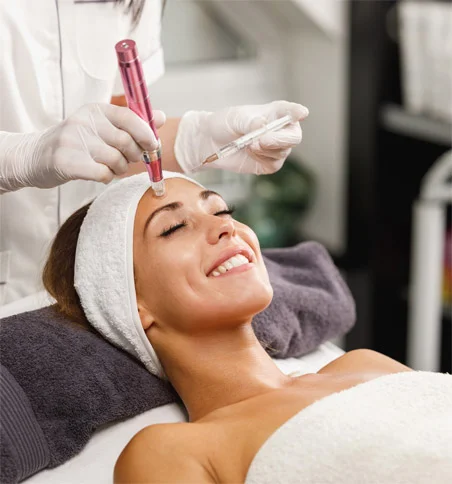
Microneedling is a minimally invasive procedure that promotes the production of collagen and proteins within the skin to renew its structure, elasticity, and youth. This treatment uses the body’s...

Facts About Levulan Photodynamic Therapy for Skin Cancer
Levulan photodynamic therapy is a non-invasive treatment for skin cancer, actinic keratosis, acne, and various other skin conditions. Read on to understand its benefits and limitations. What is...
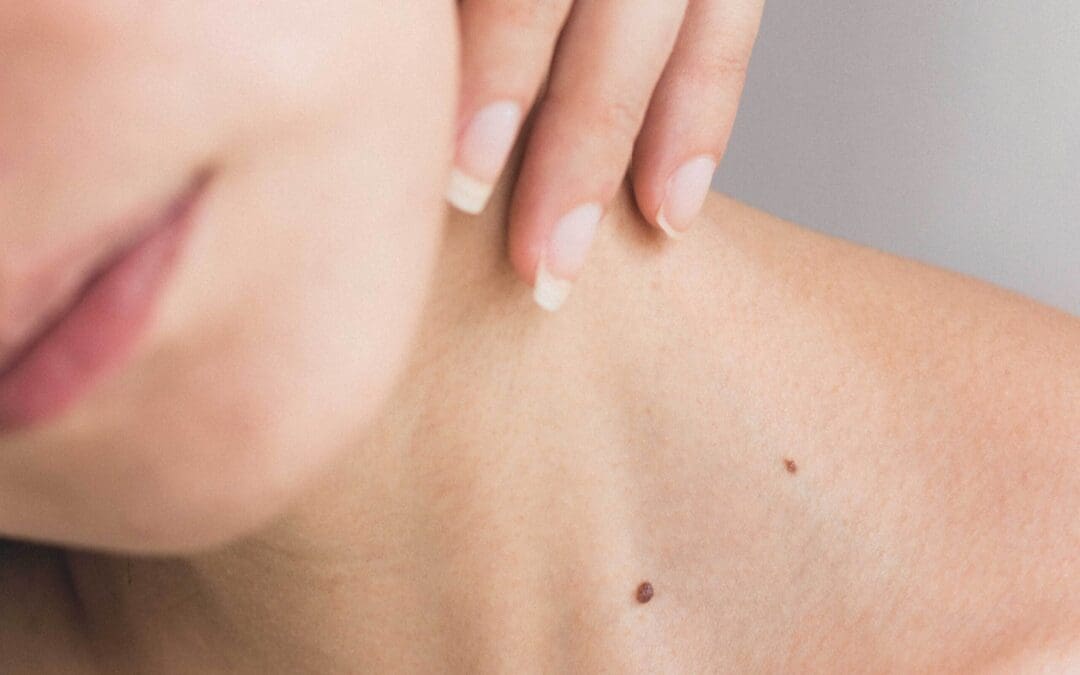
“I Have a New Mole”: Causes and When to See a Dermatologist
Moles are incredibly common, with most adults having between 10 and 40, according to the National Cancer Institute (NCI). The technical term for a mole is nevus (plural: nevi), which is the Latin...
Schedule An Appointment
Surprise
Buckeye
