

In the quest for youthful, rejuvenated skin, cosmetic treatments have become increasingly popular. Among these, Botox and Dysport stand out as effective solutions for reducing wrinkles and achieving smoother, more youthful-looking skin. While both treatments are derived from the same bacterial toxin, they have unique characteristics and applications. In this comprehensive guide, we delve into the world of Botox and Dysport, exploring their mechanisms of action, benefits, potential side effects, and considerations for anyone considering these treatments.
Understanding Botox & Dysport
Botox and Dysport are both neurotoxin-based injectable treatments designed to temporarily reduce the appearance of wrinkles and fine lines by relaxing the underlying muscles. The active ingredient in both treatments, botulinum toxin type A, works by blocking nerve signals to the muscles, preventing them from contracting and causing wrinkles to soften and become less noticeable. While Botox has been around longer and is more widely recognized, Dysport offers a similar mechanism of action with some distinct differences, including variations in dosing and diffusion.
Benefits of Botox & Dysport
Botox and Dysport offer a myriad of benefits beyond simply reducing the appearance of wrinkles. These injectable treatments are highly versatile and can address various cosmetic concerns, including forehead lines, crow’s feet, frown lines between the eyebrows, and even neck bands. One of the most significant advantages of Botox and Dysport is their ability to provide subtle yet noticeable improvements in facial aesthetics, resulting in a more youthful and rejuvenated appearance. By targeting overactive facial muscles, these treatments effectively smooth out wrinkles and fine lines, restoring a natural and refreshed look without the need for invasive surgery.
Additionally, Botox and Dysport can be used preventatively to delay the formation of new wrinkles by inhibiting repetitive muscle movements, making them valuable tools in the prevention of facial aging. Furthermore, these treatments are minimally invasive, requiring only a brief appointment with a qualified healthcare provider and typically producing minimal discomfort and downtime. Many individuals appreciate the convenience and accessibility of Botox and Dysport, which offer quick and efficient solutions for enhancing self-confidence and improving overall facial harmony.
Mechanism of Action
Botox and Dysport work through a similar mechanism of action, utilizing botulinum toxin type A to temporarily reduce the appearance of wrinkles and fine lines by relaxing underlying muscles. When injected into targeted facial muscles, the neurotoxin blocks the release of acetylcholine, a neurotransmitter responsible for signaling muscle contractions. By inhibiting muscle contractions, Botox and Dysport effectively relax the overactive facial muscles that contribute to the formation of wrinkles and lines. This relaxation allows the skin to appear smoother and more youthful. While both treatments provide temporary results, typically lasting three to six months, regular maintenance treatments can sustain the desired aesthetic improvements over time. The precise dosing and administration technique are crucial to achieving optimal results, highlighting the importance of seeking treatment from a qualified healthcare provider experienced in cosmetic injectables.
Differences Between Botox & Dysport
Botox and Dysport, while both derived from botulinum toxin type A, exhibit several differences in formulation and application. One significant distinction lies in their molecular size and protein composition. Dysport contains smaller molecules and a slightly different protein structure compared to Botox, leading to faster onset of action and potentially wider diffusion. As a result, Dysport may spread more easily and provide a broader area of muscle relaxation, making it suitable for treating larger facial areas. Conversely, Botox is often preferred for precision targeting of specific, smaller muscle groups. Additionally, the dosing units for Botox and Dysport differ, meaning the amount required to achieve desired results may vary between the two treatments. Ultimately, the choice between Botox and Dysport depends on individual preferences, treatment goals, and the expertise of the administering healthcare provider.
Considerations & Precautions
Before undergoing Botox or Dysport treatment, it’s essential to consult with a qualified healthcare provider to discuss candidacy, expectations, and potential risks. While these treatments are generally safe and well-tolerated, they may not be suitable for everyone, particularly individuals with certain medical conditions or allergies to botulinum toxin. Additionally, it’s crucial to choose a reputable provider with extensive experience in administering Botox and Dysport to ensure optimal results and minimize the risk of complications. Potential side effects of Botox and Dysport may include temporary bruising, swelling, redness, or mild discomfort at the injection site, which typically resolve within a few days.
Long-Term Effects & Sustainability
While Botox and Dysport offer temporary wrinkle reduction, consistent treatment over time can lead to longer-lasting effects. Some individuals find that regular maintenance treatments help to train the facial muscles, resulting in smoother, more youthful-looking skin even between appointments. Furthermore, combining Botox or Dysport with other cosmetic procedures, such as dermal fillers or laser treatments, can enhance and prolong the results, addressing multiple aspects of facial aging for comprehensive rejuvenation.
Botox and Dysport represent innovative solutions for achieving smoother, more youthful-looking skin without the need for invasive surgery. These neurotoxin-based treatments offer numerous benefits, including wrinkle reduction, facial rejuvenation, and improved self-confidence. By understanding the mechanisms of action, differences between Botox and Dysport, and considerations for treatment, individuals can make informed decisions to achieve their desired aesthetic goals. With the guidance of a qualified healthcare provider, Botox and Dysport can be powerful tools in the pursuit of timeless beauty and radiant skin.

Botox vs. Daxxify: Which Is Better for Your Wrinkles?
If you’re thinking about smoothing expression lines before holiday gatherings, you may be weighing Botox against Daxxify. Both are injectable neuromodulators that temporarily relax targeted muscles,...
Skin Cysts 101: What That Lump Under Your Skin Really Means
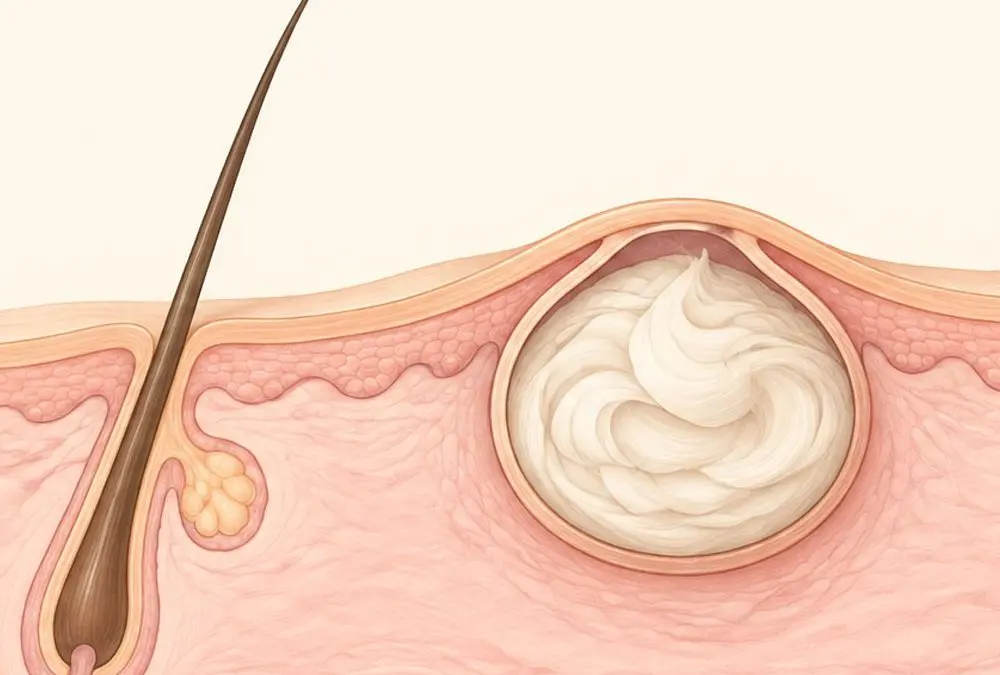
Finding a new lump under your skin can be unsettling, especially when you’re not sure what it is. One common possibility is a skin cyst: a small, sac-like bump that often grows slowly and is usually...

Pre-Holiday Glow Up: When to Book Your Treatments
The holiday calendar has a way of filling up quickly. If you’re hoping to refresh your skin before Thanksgiving, a December gathering, or New Year’s celebrations, October and November are smart...

Fall Skin Reset & 5 Steps to Repair Summer Sun Damage
Late September brings a welcome shift to the Greater Phoenix area. The days are beginning to cool, outdoor plans feel more comfortable, and the UV index is gradually moving down from its summer...

Dry Skin vs. Dehydrated Skin: Which One Do You Have?
If your skin feels tight, rough, flaky, or dull, you may assume you have dry skin. But there is another possibility: your skin may be dehydrated. Although the terms are often used interchangeably,...

Retinol in Fall: Why Now Is the Best Time to Start
If you have been thinking about starting retinol, or restarting a retinoid routine after a long Arizona summer, fall can be an excellent time to begin. The UV index and sun intensity generally start...

Eczema or Psoriasis? How to Tell the Difference
A new itchy or scaly patch can be frustrating: and it is not always easy to tell what is causing it. Two common possibilities are eczema and psoriasis, chronic inflammatory skin conditions that can...