
In the quest for the “perfect” aesthetic, social media trends often push the boundaries of health. We’ve recently explored the broader world of looksmaxxing and its hidden dangers, where individuals use aggressive methods to “maximize” their physical appearance. But a new, more specific branch of this culture is taking hold on platforms like TikTok and Instagram: and it is particularly dangerous for those of us living in the Greater Phoenix area.
It’s called “Tanmaxxing.”
At Arizona Skin Institute, we believe in a comprehensive approach to skin health that prioritizes longevity over temporary trends. Led by Dr. Jay G. Mehta, our team is seeing the direct impact of these viral behaviors on patients in Surprise, Scottsdale, and Buckeye. Today, we’re peeling back the layers on why “tanmaxxing” is a medical emergency in disguise and how you can achieve a healthy glow without compromising your future.
What is Tanmaxxing?
The term “tanmaxxing” refers to a viral trend where individuals: primarily Gen Z: seek to achieve the darkest possible tan in the shortest amount of time. Unlike the casual sunbathing of the past, tanmaxxing is systematic and extreme. Practitioners often:
- Track the UV Index: Using weather apps to find the exact moment the UV index hits its peak (usually between 10 a.m. and 4 p.m.).
- Avoid Sunscreen: Intentionally skipping SPF to ensure “maximum” UV penetration.
- Utilize Tanning Beds: Supplementing natural sun exposure with artificial UV rays, which are classified as Group 1 carcinogens.
- Use Tanning Oils: Applying products that act like “magnifying glasses” for the sun, accelerating the burning and tanning process.
The goal is to look leaner, more athletic, and “sun-kissed.” However, from a dermatological perspective, a tan is not a sign of health; it is a visible cry for help from your DNA.
The Arizona Danger: Why the Valley of the Sun is Different
Living in Phoenix, Scottsdale, or Buckeye means we are already at a heightened risk for skin damage. In the Arizona desert, the UV index frequently reaches 11+ (Extreme) during the summer months.

When you combine the tanmaxxing trend with the Arizona sun, you are accelerating skin damage at an alarming rate. In our climate:
- Unprotected DNA damage can occur in minutes. You don’t need a visible sunburn to be causing mutations in your skin cells.
- The “Base Tan” is a Myth. Many in the tanmaxxing community believe a “base tan” protects them from future damage. In reality, a tan only provides an SPF of about 2 to 4: negligible protection that comes at the cost of existing DNA damage.
- High Altitude and Clear Skies. Our lack of cloud cover and high elevation mean UV rays are more direct and potent than in many other parts of the country.
The True Cost of the “Glow”: Skin Cancer Risks
The connection between tanmaxxing and skin cancer is undeniable. At Arizona Skin Institute, we specialize in the treatment of various skin cancers, and we are increasingly concerned about the younger demographic being influenced by these trends.
Basal Cell and Squamous Cell Carcinoma
These are the most common forms of skin cancer. They are directly linked to cumulative sun exposure over time. Tanmaxxing speeds up this accumulation, leading to diagnoses much earlier in life than we traditionally expect.
Melanoma: The Deadliest Risk
Melanoma is the most dangerous form of skin cancer. Just five or more sunburns in your lifetime can double your risk of developing melanoma. For those tanmaxxing in the 115°F Phoenix heat without sunscreen, those five burns can happen in a single summer.
Premature Aging
Beyond cancer, the cosmetic results of tanmaxxing are the opposite of what the trend promises. Long-term UV exposure destroys collagen and elastin, leading to:
- Deep-set wrinkles and leathery skin texture.
- Hyperpigmentation and “sun spots.”
- Sagging and loss of skin volume.

Expert Care at Arizona Skin Institute
If you or a loved one has been following the tanmaxxing trend, it is vital to have your skin professionally evaluated. Dr. Jay G. Mehta and our expert team provide a compassionate environment for comprehensive skin cancer screenings.
Should a screening reveal a concern, we offer the most advanced treatments available in modern dermatology:
- Mohs Surgery: For certain types of skin cancer, Mohs surgery offers up to a 99% cure rate. It is a precise technique that removes the cancer while sparing as much healthy tissue as possible, which is crucial for visible areas like the face.
- Superficial Radiation Therapy (SRT): A non-surgical option for treating non-melanoma skin cancers. This is often an excellent choice for patients who want to avoid surgery or who have lesions in areas where healing might be difficult.
A Better Way to “Max” Your Look
At Arizona Skin Institute, we aren’t against looking your best: we are against looking your best at the expense of your life. If you want that bronzed look, there are safer, “skin-smart” ways to achieve it:
- Sunless Tanning: Modern spray tans and self-tanning drops provide a beautiful, even color without a single UV ray.
- Professional Skincare: Instead of chasing a tan to look “leaner,” use professional-grade skincare and treatments like Microneedling to improve skin texture and radiance naturally.
- Strict SPF Use: Use a broad-spectrum SPF 30 or higher every single day. In Phoenix, this isn’t optional: it’s a necessity.
Conclusion: Trust Your Skin to the Experts
The viral nature of “tanmaxxing” makes it seem like a harmless beauty hack, but in the Arizona desert, it is a dangerous gamble. Your skin is your body’s largest organ, and it deserves to be treated with respect and professional care.
Don’t let a social media trend dictate your long-term health. Whether you need a routine skin check, treatment for a concerning spot, or advice on a safe skincare regimen, Dr. Jay G. Mehta and the team at Arizona Skin Institute are here for you.
Your journey to healthy, beautiful skin starts with a professional evaluation.

Botox vs. Daxxify: Which Is Better for Your Wrinkles?
If you’re thinking about smoothing expression lines before holiday gatherings, you may be weighing Botox against Daxxify. Both are injectable neuromodulators that temporarily relax targeted muscles,...
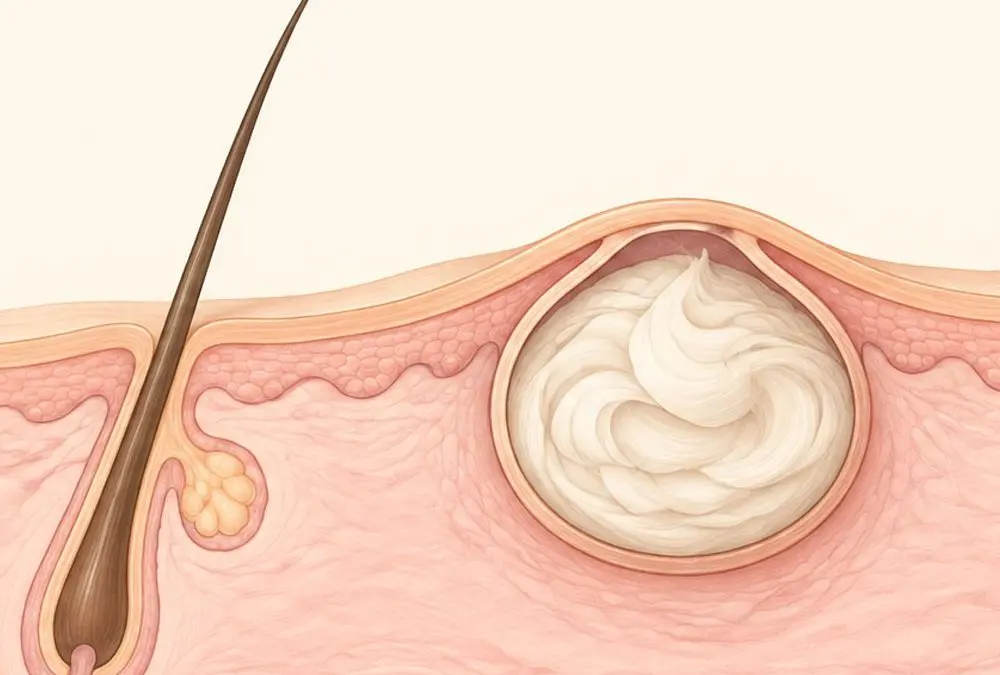
Skin Cysts 101: What That Lump Under Your Skin Really Means
Finding a new lump under your skin can be unsettling, especially when you’re not sure what it is. One common possibility is a skin cyst: a small, sac-like bump that often grows slowly and is usually...

Pre-Holiday Glow Up: When to Book Your Treatments
The holiday calendar has a way of filling up quickly. If you’re hoping to refresh your skin before Thanksgiving, a December gathering, or New Year’s celebrations, October and November are smart...

Fall Skin Reset & 5 Steps to Repair Summer Sun Damage
Late September brings a welcome shift to the Greater Phoenix area. The days are beginning to cool, outdoor plans feel more comfortable, and the UV index is gradually moving down from its summer...

Dry Skin vs. Dehydrated Skin: Which One Do You Have?
If your skin feels tight, rough, flaky, or dull, you may assume you have dry skin. But there is another possibility: your skin may be dehydrated. Although the terms are often used interchangeably,...
Retinol in Fall: Why Now Is the Best Time to Start
If you have been thinking about starting retinol, or restarting a retinoid routine after a long Arizona summer, fall can be an excellent time to begin. The UV index and sun intensity generally start...

Eczema or Psoriasis? How to Tell the Difference
A new itchy or scaly patch can be frustrating: and it is not always easy to tell what is causing it. Two common possibilities are eczema and psoriasis, chronic inflammatory skin conditions that can...
Schedule An Appointment
Surprise
Buckeye
