
 When you hear the word Botox, you probably picture someone smoothing out fine lines and wrinkles that have already formed. Traditionally, Botox has been thought of as a way to turn back the clock — a solution for visible signs of aging. However, there’s a growing trend among twenty-somethings who are using Botox before wrinkles become deeply etched into the skin. This approach, known as preventative Botox, aims to slow the development of lines by relaxing the muscles responsible for repeated facial movements like frowning, squinting, and raising the eyebrows.
But is starting Botox this early a smart investment in your future skin health, or is it an unnecessary step taken too soon? In this post, we’ll break down the pros and cons of preventative Botox so you can make an informed, confident decision.
What Is Preventative Botox?
Preventative Botox involves using small amounts of botulinum toxin injections to relax facial muscles early on — before deep lines and wrinkles develop. By calming repetitive movements like frowning, squinting, or eyebrow-raising, Botox can help prevent expression lines from becoming etched into the skin over time.
Most candidates for preventative Botox are in their mid-to-late 20s or early 30s and are starting to notice faint dynamic lines (wrinkles that appear with facial movement but disappear at rest).
The Pros of Preventative Botox:
- Delays the Formation of Wrinkles – The biggest advantage is the ability to slow down the aging process. Because Botox relaxes targeted muscles, it minimizes the repetitive motions that eventually cause permanent creases, like forehead lines, crow’s feet, and the “11s” between your brows. By acting early, you may delay the need for more aggressive treatments down the road.
- You’ll Likely Need Less Botox Over Time – Starting Botox before deep lines form often means you’ll need smaller doses and less frequent touch-ups over the years. Preventative Botox works with your natural anatomy, rather than trying to reverse damage that has already set in.
- Subtle, Natural-Looking Results – When administered by an experienced provider, preventative Botox creates a soft, refreshed appearance — not the “frozen” look many people fear. Early intervention can maintain a youthful, natural expression rather than dramatically altering your appearance later.
- Boosts Confidence – For many young adults, maintaining smooth, vibrant skin contributes to greater self-confidence, both personally and professionally. Preventative Botox can be part of a broader approach to feeling and looking your best during important years of building careers and relationships.
The Cons of Preventative Botox:
- It’s a Long-Term Commitment – Botox isn’t permanent — results typically last three to four months. Starting Botox in your twenties can mean decades of regular maintenance appointments if you want to keep your results consistent. This can become time-consuming and potentially financially demanding over the years.
- Costs Add Up – While preventative doses are often smaller and may seem more affordable upfront, the cumulative cost over years or even decades can add up significantly. It’s important to factor long-term financial commitment into your decision when considering early Botox treatments.
- Potential for Over-Treatment – Inexperienced injectors or overly aggressive treatment plans could lead to unnecessary muscle weakening at a young age. Overdoing Botox early on might create unnatural movement or dependency on injections for normal facial expressions. Choosing a skilled, conservative injector is absolutely crucial.
- Not Everyone Needs It – Not all 20-somethings need preventative Botox. Genetics, sun exposure, skincare habits, and facial anatomy all play major roles in wrinkle development. Some people naturally have minimal muscle movement and might not benefit much from starting injections early. A consultation with a qualified dermatologist or injector can help determine if you’re truly a good candidate.
Who Should Consider Preventative Botox?
 Preventative Botox tends to be a good fit for individuals who are already showing early signs that wrinkles may develop more deeply over time. If you have a genetic tendency toward pronounced expression lines — for example, if your parents or older siblings have deep forehead wrinkles or frown lines — you might be more prone to similar concerns. It’s also something to consider if you notice dynamic wrinkles — those faint lines that appear with movement and don’t immediately smooth out afterward.
Additionally, people who have strong facial habits like frequent squinting, eyebrow raising, or frowning can benefit, since these repetitive motions often contribute to early wrinkle formation. However, Botox isn’t a substitute for taking care of your skin overall. Those committed to daily sun protection, a strong skincare routine, and healthy lifestyle habits will see the best, most natural-looking benefits from preventative treatments.
Preventative Botox in your 20s can be a smart strategy to preserve youthful skin and delay the signs of aging. It offers natural-looking results, smaller doses, and the potential to prevent deeper lines before they settle in.
However, it’s important to weigh the long-term commitment, costs, and whether your skin truly needs early intervention. Preventative Botox isn’t a one-size-fits-all solution — a personalized approach with an experienced provider makes all the difference.
If you’re curious whether preventative Botox is right for you, schedule a consultation with our team at AZ Skin — we’ll guide you through a customized treatment plan designed to help you age gracefully and confidently at every stage.

Botox vs. Daxxify: Which Is Better for Your Wrinkles?
If you’re thinking about smoothing expression lines before holiday gatherings, you may be weighing Botox against Daxxify. Both are injectable neuromodulators that temporarily relax targeted muscles,...
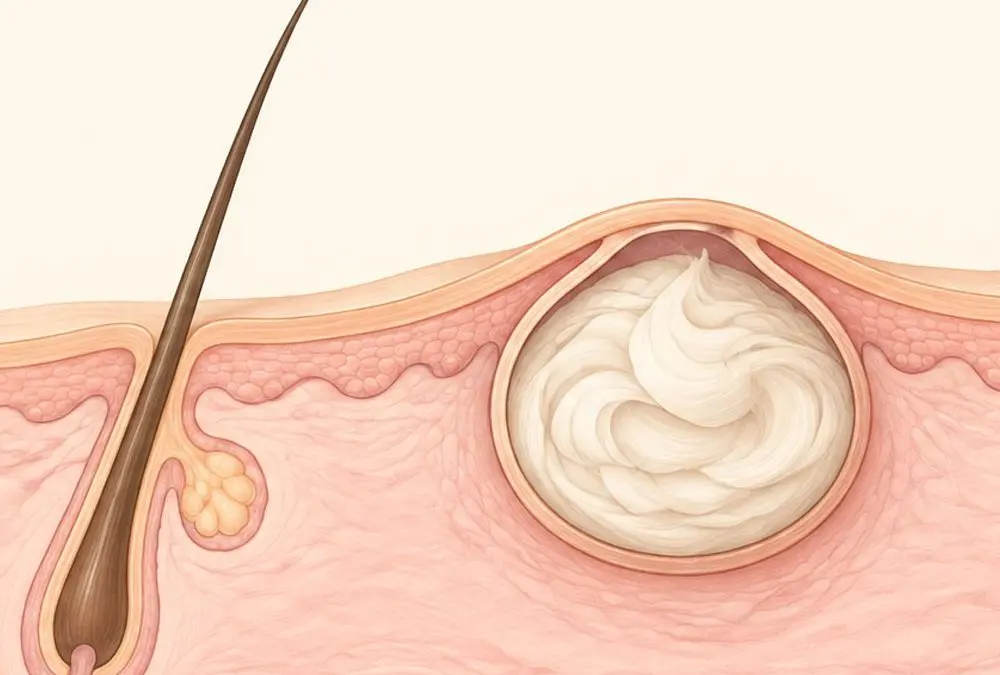
Skin Cysts 101: What That Lump Under Your Skin Really Means
Finding a new lump under your skin can be unsettling, especially when you’re not sure what it is. One common possibility is a skin cyst: a small, sac-like bump that often grows slowly and is usually...

Pre-Holiday Glow Up: When to Book Your Treatments
The holiday calendar has a way of filling up quickly. If you’re hoping to refresh your skin before Thanksgiving, a December gathering, or New Year’s celebrations, October and November are smart...

Fall Skin Reset & 5 Steps to Repair Summer Sun Damage
Late September brings a welcome shift to the Greater Phoenix area. The days are beginning to cool, outdoor plans feel more comfortable, and the UV index is gradually moving down from its summer...

Dry Skin vs. Dehydrated Skin: Which One Do You Have?
If your skin feels tight, rough, flaky, or dull, you may assume you have dry skin. But there is another possibility: your skin may be dehydrated. Although the terms are often used interchangeably,...

Retinol in Fall: Why Now Is the Best Time to Start
If you have been thinking about starting retinol, or restarting a retinoid routine after a long Arizona summer, fall can be an excellent time to begin. The UV index and sun intensity generally start...

Eczema or Psoriasis? How to Tell the Difference
A new itchy or scaly patch can be frustrating: and it is not always easy to tell what is causing it. Two common possibilities are eczema and psoriasis, chronic inflammatory skin conditions that can...
Schedule An Appointment
Surprise
Buckeye
